Can Yoga Make Anxiety Worse? Understanding Why, and What Helps

Published: 26 Nov 2026
Why you might feel more anxious after yoga, and how to adapt your practice when it triggers anxiety.
Yes, for some people, yoga can make anxiety worse. Slow, quiet practices can leave more room for worry, and sensations like a racing heart can feel like the start of panic. That doesn’t mean yoga is wrong for anxious people. It means the practice needs to fit the person.
If you’ve ever left a class feeling more on edge than when you arrived, you’re not alone, and you haven’t done anything wrong. Research on yoga for anxiety is genuinely mixed. The largest meta-analysis found small short-term benefits for people with elevated anxiety, but no clear effect for people with a diagnosed anxiety disorder (Cramer et al., 2018). One likely reason is that “yoga” covers very different practices, and some of them sit badly with an anxious nervous system.
This article explains why that happens and what you can do about it. For the wider evidence on yoga and anxiety, see our Yoga for Anxiety guide.
Different findings for depression and anxiety
Research on yoga for depression is generally encouraging. For anxiety, the findings are more mixed—and that difference matters for people turning to yoga for support with anxiety, and for those teaching them.
Separate reviews of yoga for anxiety and depression, co-authored by Holger Cramer, a respected researcher in yoga and health, highlight this contrast.
A 2018 review of yoga for anxiety found short-term benefits compared with no treatment. However, when investigating the efficacy of yoga for actual anxiety disorders, the evidence remained inconclusive.
At Minded, we believe this difference reflects the specificity needed for different levels of anxiety. Working with anxiety often calls for more intricate knowledge of how the anxious mind and nervous system work, and when practice does not account for this, anxiety may not abate and, in some instances, can worsen. Depression, particularly when it is not anxiety-based, does not seem to require the same degree of specificity.
This is supported by the evidence: a 2024 review he co-authored found benefits for major depressive disorder.
Even more telling, a 2023 review by Wu and colleagues looked at studies investigating yoga for depression, some of which also assessed anxiety. As with the reviews co-authored by Cramer, the reviewers found a more encouraging picture for depression: moderate improvements in depressive symptoms, while improvements in anxiety were smaller and less consistent.
Anxiety and depression can also occur together. When someone experiencing depression also has heightened anxiety, the suggestions for adapting practice for anxiety outlined below should also guide how you work with them.
Why specificity matters
Which practices are used, how they are offered, and what the person can accommodate at that moment all matter.
Yoga includes many different approaches. A practice that helps one person may not help another, and what feels supportive when anxiety is less intense may feel very different when anxiety is high.
At Minded, this is why we pay attention not just to the technique, but to the intensity, pace and guidance offered. We also see the intensity of anxiety as a key consideration in understanding someone’s response to practice. Although a diagnosis alone does not tell us how intense someone’s anxiety is, our experience is that practices which work when anxiety is less intense may need significant adaptation when it is more pronounced.
Relaxation is a good example.
Why relaxation itself can trigger anxiety
It sounds contradictory, but trying to relax can make some people more anxious. Psychologists call this relaxation-induced anxiety: a rise in anxiety, tension or anxious thoughts during an attempt to relax (Heide & Borkovec, 1983). Studies suggest it affects somewhere between a third and a half of people with chronic anxiety.
There are a few likely reasons. Slowing down can feel like losing control. Turning attention inward can bring worries to the surface that activity was keeping at bay. And the physical changes of relaxation, such as a slower heart or heavier limbs, can themselves feel unfamiliar or unsafe.
Going inward can leave more time for anxious thoughts or make someone more aware of sensations in the body. The stillness and quiet intended to create ease can instead increase anxiety.
This matters for outcomes, too. In one trial for generalised anxiety disorder, the people who became anxious during relaxation training improved least (Borkovec et al., 1987).
On the other hand, some people really benefit from these practices. When anxiety is more intense, however, extended periods of quiet can leave someone more caught up in anxious thoughts.
In this situation, keeping someone moving and offering more verbal guidance during a yoga or yoga therapy session can help keep them in the present. With their attention shifted and their body more relaxed, they may be able to spend time in a few postures in silence and experience much-needed relaxation.
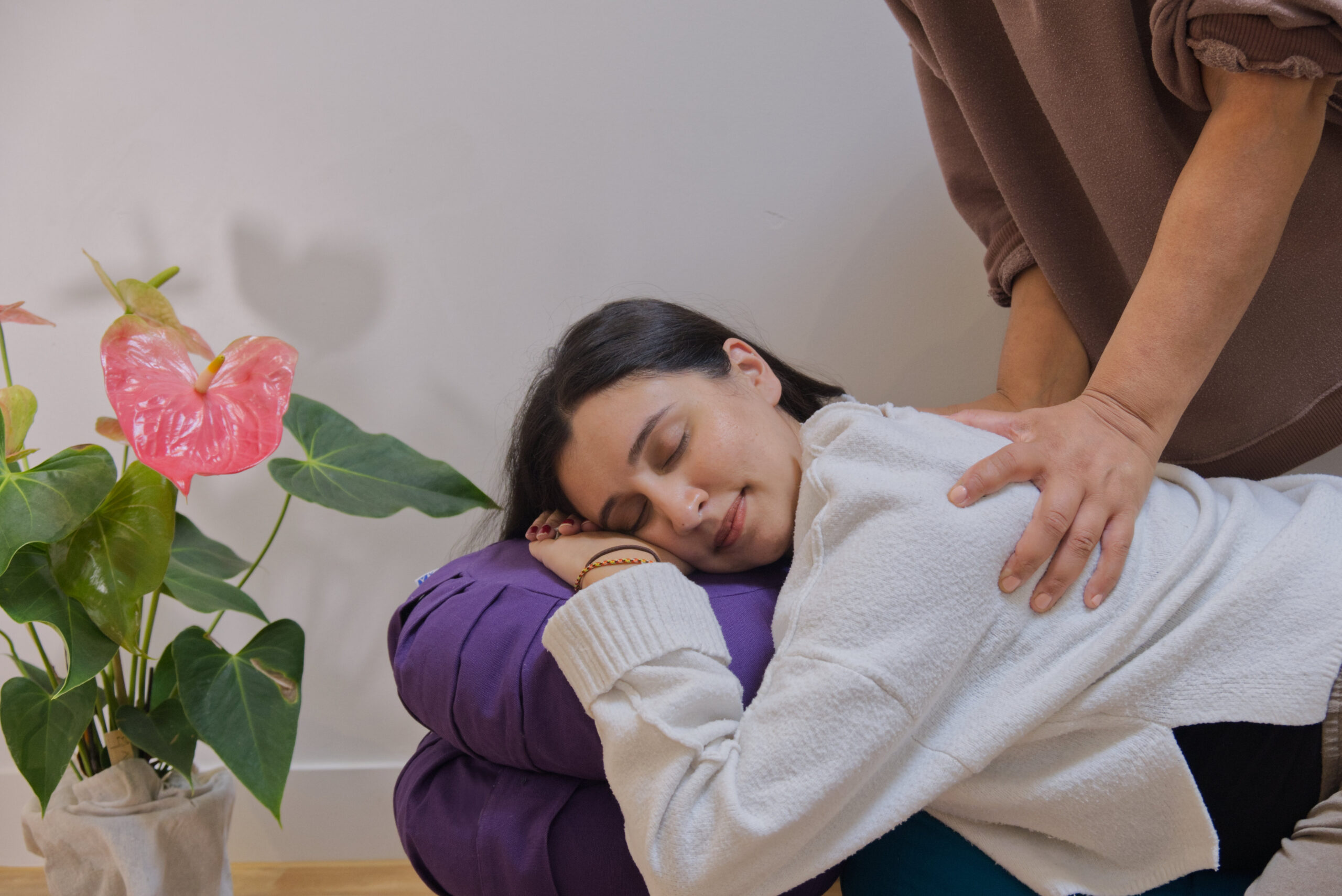
I’ve written about adapting restorative practice for anxiety. It comes down to letting people know it’s okay to move, lengthening the exhale, and offering a short yoga nidra in each pose so the mind has a present-moment task.
Why a racing heart can feel like danger
For some people with anxiety, an increase in heart rate can trigger anxiety. When we panic, our heart races. A racing heart can therefore become an interoceptive cue—an internal bodily signal associated with anxiety that itself causes fear.
This means that the normal elevation in heart rate that comes with movement can be frightening. This is particularly relevant for people prone to panic attacks or more intense anxiety.
If you are working with someone with high levels of anxiety, ask whether an increase in heart rate triggers anxiety for them. Together, you can find a balance where the practice provides neither too much space for quiet and rumination nor so much activity that it sets off more anxiety.
Practices that commonly backfire
We each respond to practices differently. These are the ones we most often see causing difficulty:
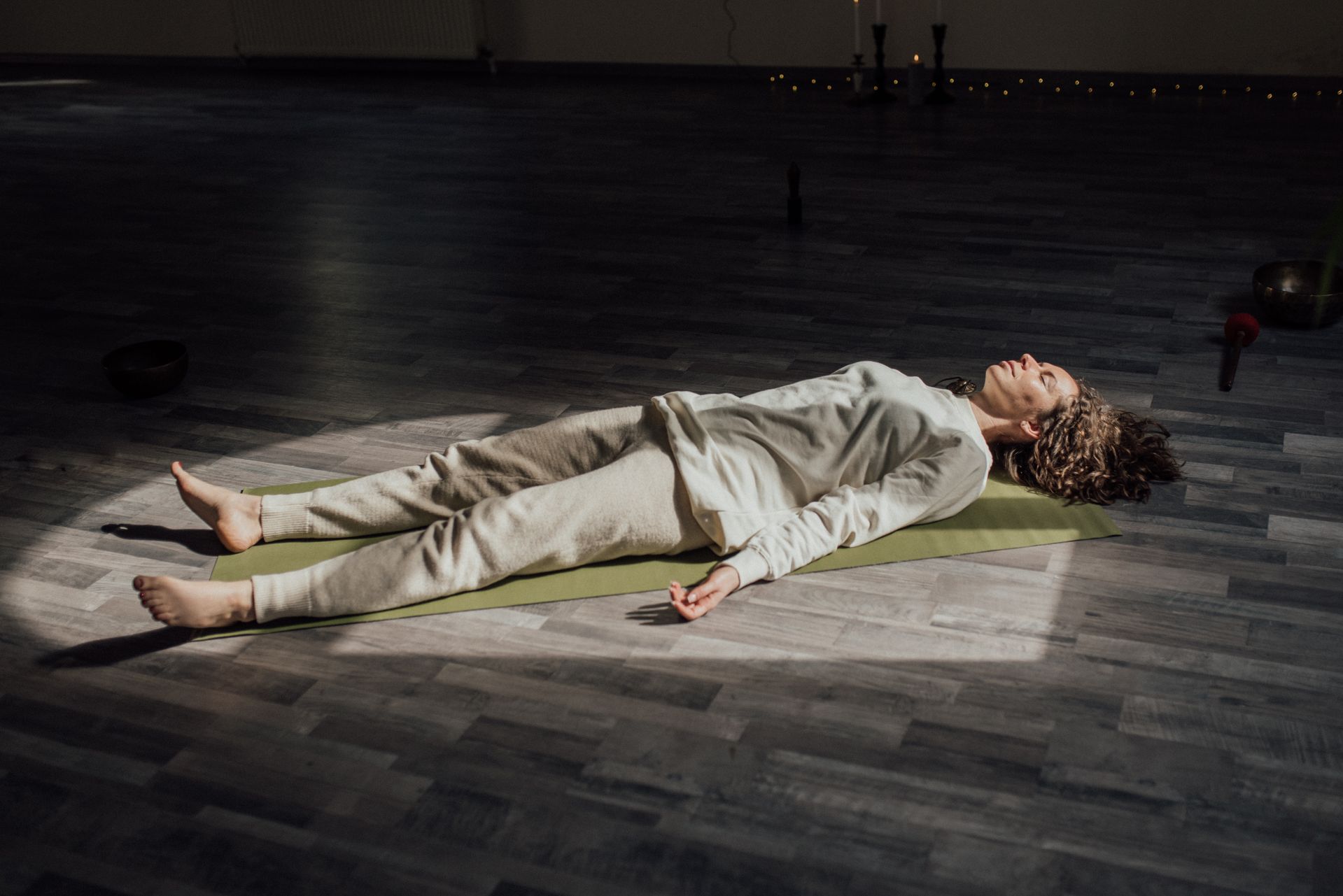
- Long, silent holds. Restorative poses and savasana can be deeply settling for someone with low mood who needs to relax. For someone with anxiety, the quiet and time intended to create ease can leave more space for anxious thoughts to flourish. We explore this in Savasana Isn’t Always Peaceful.
- Vigorous practice. Movement raises heart rate. Someone with anxiety, particularly someone given to panic attacks, may read that healthy increase as a sign that panic is arising. Fast breathing
- Fast breathing. An increase in breathing pace can cause an increase in anxiety in a yoga class. The impact of breath on the nervous system is profound. The brain is primed to pay attention to breathing because it is essential to survival. When we start engaging in rapid breathing, it can increase sympathetic activity. For some people with anxiety, the autonomic nervous system is dysregulated, making it harder to shift into parasympathetic states, while sympathetic activity is already elevated. We do not want to add to this
- Breath holding. High levels of chronic anxiety can be associated with sensitivity to air hunger that does not necessarily reflect a lack of oxygen. When the breath is held, even for short periods of time, some people experience this as a threat to survival, which can cause significant panic. On the other hand, breath holding can also intercept rumination and anxious thinking and offer immense value for some people with anxiety. Whether it is appropriate depends on the person and their response. See my recommendations for severe anxiety.
- Sparse instruction. Listening to the voice of someone guiding yoga postures and breathing can help hold attention. Periods of silence, often used in yoga classes to help people find inner peace and become more aware of their bodies, can create space for more worry for someone with anxiety. Likewise, anxiety is associated with intolerance of uncertainty. Without clear, regular, and meaningful instructions, someone may find themselves worried about what to do and what may happen.
How to adapt yoga practices for anxiety
These adjustments come from my own work with anxiety and from our clinical teaching at Minded.
1. Use personally challenging poses.
Choose poses that are personally challenging enough to need your full focus. When a pose requires effort to enter or hold, the mind is drawn into planning how to get into it or the intensity of remaining in it. This makes it harder for the mind to wander and can also support body awareness. When a pose requires our full attention, it leaves less space for rumination. What is challenging will differ: for one person, it might be scorpion; for another, a circle of the shoulder.
2. Keep instruction close.
Frequent, precise, engaging cues help hold attention. When repeated phrases are aligned with the rhythm of the breath, they give the mind a reliable constant, helping to intercept worry and downgrade anxiety.
Another approach I use is aligning a meaningful phrase with the breath. On the inhale, you say one thing in your mind; on the exhale, another. The phrase can be anything that feels meaningful to you. I often use:
Inhaling: “May I be happy and peaceful.”
Exhaling: “May I be healthy and at ease.”
This is a wish for wellbeing, rather than a statement that you already feel well. It does not contradict someone’s experience of feeling unwell, as an affirmation suggesting something is happening when it isn’t can cause distress. It is also a gentle introduction to practising loving-kindness meditation.
3. Shorten the stillness.
Swap long holds for shorter ones, or add a simple task to each pose. In When Restorative Yoga Isn’t Restorative, I describe offering a short yoga nidra in each pose so the mind has a present-moment task.
4. Make movement allowed.
If you feel the urge to move, try breathing through it once, then make a small movement, such as flexing the feet. If that doesn’t help, change position or come out of the pose.
5. Lengthen the exhale.
Breathe in through the nose and out through the mouth, gradually narrowing the lips to slow the out-breath. Return to this whenever you need it.
6. Frame the heart rate.
In active practice, expect your heart rate to rise and name it as normal. Build intensity gradually, and come back to a steady breath between efforts.
Tailoring practice to yourself or those you teach
When yoga classes and personal practice do not account for these differences, anxiety may not abate and, in some instances, can worsen. This lack of tailoring may help explain why the research findings for anxiety are mixed.
At the Minded Institute, we have found that working with heightened anxiety and anxiety disorders often calls for more intricate knowledge of how the anxious mind and nervous system work than working with depression. This applies equally when intense anxiety accompanies depression. It is not that yoga cannot help; it is that uninformed yoga can be unhelpful.
Whether you are practising for yourself or teaching others, understanding these responses allows you to tailor the practice rather than assume that an approach intended to calm will necessarily do so.
Learn these practices with Heather
Heather’s next online retreat, on Tuesday 1 December, explores these needs in depth, with practices that respond to them and time to reflect on how they land in your own body. Live on Zoom, 10am–2pm UK time. Book your place
References
- Cramer, H. et al. (2018). Yoga for anxiety: a systematic review and meta-analysis of randomized controlled trials. Depression and Anxiety, 35(9), 830–843.
- Moosburner, A., Cramer, H. et al. (2024). Yoga for depressive disorder: a systematic review and meta-analysis. Depression and Anxiety, 2024, 6071055.
- Wu, Y., Yan, D. & Yang, J. (2023). Effectiveness of yoga for major depressive disorder: a systematic review and meta-analysis. Frontiers in Psychiatry, 14, 1138205.
- Heide, F. J. & Borkovec, T. D. (1983). Relaxation-induced anxiety: paradoxical anxiety enhancement due to relaxation training.
- Borkovec, T. D. et al. (1987). The effects of relaxation training with cognitive or nondirective therapy and the role of relaxation-induced anxiety in the treatment of generalized anxiety.
- Prevalence of relaxation-induced anxiety in anxious individuals (31–54%)
FAQ
Yes. It’s common enough that researchers have studied it for decades. It usually means the practice didn’t suit your nervous system on that day, not that yoga can’t help you.
Usually because of what the practice asks of you. Long stillness can leave room for worry. Close attention to the body can make normal sensations feel alarming, and intense breathwork, if it isn’t explained, can produce sensations that feel like anxiety. Changing the type and pace of practice often helps. If difficult reactions continue, work with a qualified yoga therapist or mental health professional.
For some people, it can. Vigorous practice and intense breathwork raise heart rate and change breathing, and someone prone to panic may read those normal changes as danger, especially when they don’t know what to expect. Building intensity gradually, naming a raised heart rate as normal, and returning to a slow exhale between efforts can make practice feel safer.
Stillness and silence can leave more space for anxious thoughts, and lying still can make bodily sensations more noticeable. Try a shorter savasana, keep your eyes open, or follow a guided practice so your mind has something to rest on.
Lengthen your exhale: breathe in through the nose and out through the mouth, gradually narrowing the lips. Keep your eyes open if that feels safer, make a small movement such as flexing your feet, or come out of the pose. You’re always allowed to rest or step out.
It can, especially for people with elevated anxiety. See our Yoga for Anxiety guide for the evidence.
Continue Reading