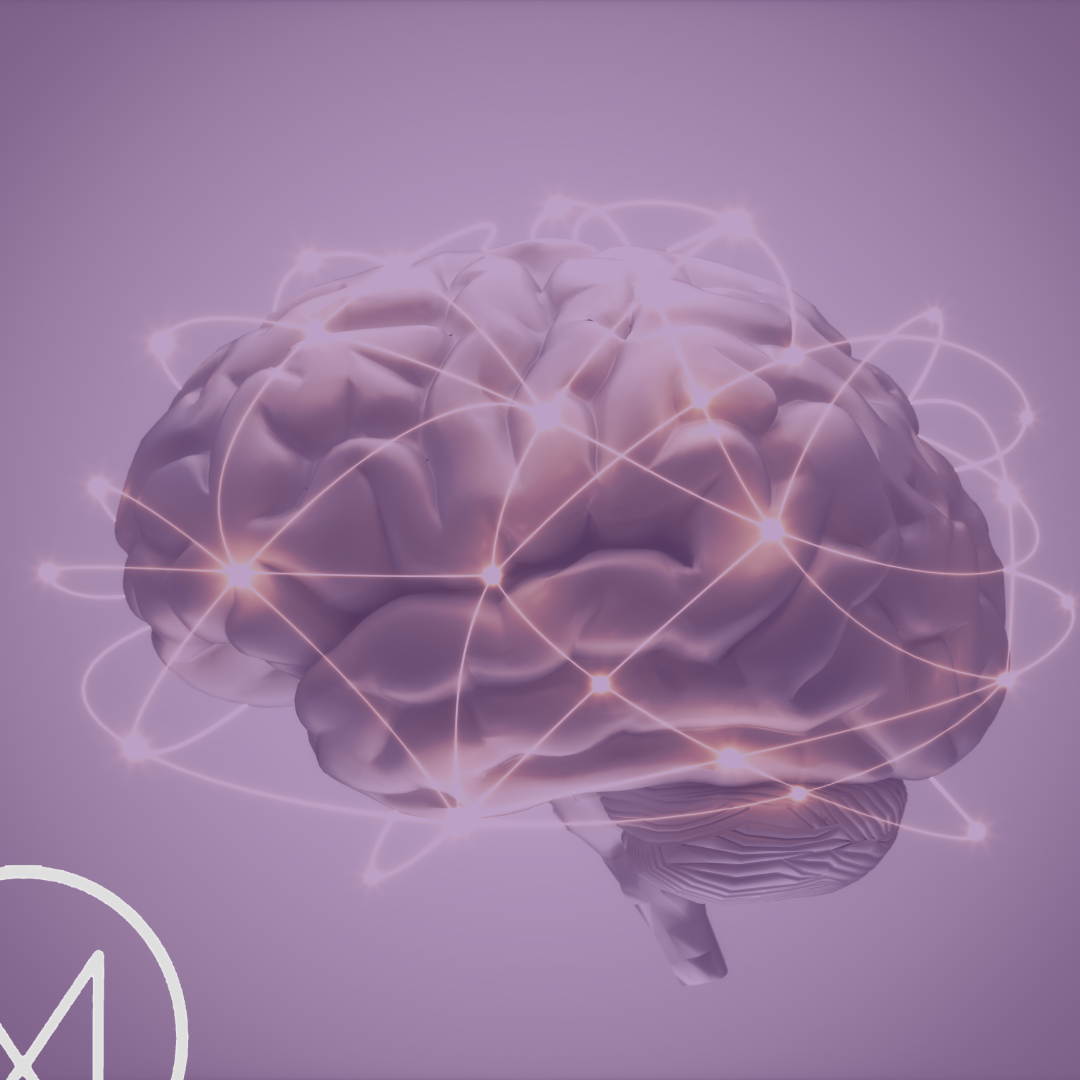

Research into yoga and neuroscience has shown that self-criticism activates the brain’s pain circuits in the same way that physical injury does. A study by Eisenberger et al. (2003) found that the anterior cingulate cortex (ACC), a region involved in processing both social and physical pain, lights up in response to emotional distress. In other words, when you mentally berate yourself, your brain registers it as actual harm.
Furthermore, rumination—the repetitive looping of negative thoughts—strengthens the default mode network (DMN), the part of the brain responsible for mind-wandering and self-referential thinking (Sheline et al., 2009). The more we engage in these thought patterns, the more deeply ingrained they become, making them harder to disrupt.
On the flip side, research on self-compassion (Neff, 2011) suggests that shifting internal dialogue to a more neutral or supportive tone reduces cortisol (stress hormone) levels and increases vagal tone, improving emotional resilience. When we stop attacking ourselves internally, we downregulate the nervous system’s stress response, allowing for greater cognitive clarity, emotional regulation, and overall well-being.
What Yoga Therapy Teaches Us About Self-Talk & the Body
While self-talk is a cognitive process, its effects are first and foremost physiological. The way we think shapes how we breathe, how we hold our bodies, and how we move through the world.
When self-judgment is high, the breath often mirrors this state:
-
It becomes shallow—a sign of low-grade sympathetic activation.
-
It becomes erratic—suggesting an underlying state of nervous system dysregulation.
-
It becomes held—a subtle but powerful marker of internal resistance or self-restriction.
Yoga therapy, grounded in insights from yoga and neuroscience, offers an immediate intervention point through the breath. Unlike thoughts, which require significant cognitive effort to change, the breath is a direct line to the nervous system—one that we can access at any moment to interrupt negative loops before they become self-perpetuating.
A Breathwork Practice for Interrupting Self-Criticism
Next time you catch yourself in a spiral of self-judgment, try this simple breath-based reset to shift out of stress mode:
 Inhale for 4 counts.
- Exhale for 6 counts.
- Repeat for 2 minutes.
Why This Works:
-
A longer exhale activates the parasympathetic nervous system, signaling to the body that the threat response can be dialed down.
-
It creates physiological space for you to interrupt and reframe the thought before it becomes a full-blown stress cycle.
-
It shifts attention away from the thought itself and back into a state of present-moment awareness, where the nervous system is most receptive to recalibration.
Applying Ahimsa: The Work of Inner Non-Harming
The practice of Ahimsa doesn’t require you to suddenly become “positive” or overly self-affirming. That would be just another form of suppression. Instead, it asks for accuracy over attack, clarity over self-punishment.
-
Instead of “I always screw things up,” try “That didn’t go as planned, but I can adjust.”
-
Instead of “I’m not good enough,” try “I’m learning, and growth takes time.”
-
Instead of “I should be further ahead,” try “This is where I am, and I can build from here.”
Your nervous system is always listening. The question is, what kind of world are you narrating to yourself?