
You might be familiar with the vagus nerve, the primary parasympathetic nerve of the autonomic nervous system, it helps us to calm down! Today we delve deeper into the functioning of this nerve, and the scientific for basis for how long exhale impacts the nervous system.
The breath, which we can consciously control, has a direct impact on heart rate, a process often regulated unconsciously by the autonomic nervous system. When we consciously elongate the exhale, we send messages through descending circuits from the brain (particularly via the medulla oblongata) to the heart’s natural pacemaker, the sinoatrial or sinus node (SA). This in turn loops back to the brain, telling it we are safe, further fostering relaxation.
This process is known as respiratory sinus arrhythmia (RSA).
RSA is a natural phenomenon where heart rate synchronises with the breath, subtly speeding up as we inhale and slowing down as we exhale. It’s a remarkable dance between the cardiovascular, nervous, and respiratory systems, and it holds a key to a calm mind.
So, by engaging in a long exhale in times of stress, you’re sending little messages to your heart that it’s safe to relax, bringing focus to the present moment to further cultivate self-awareness and emotional regulation.
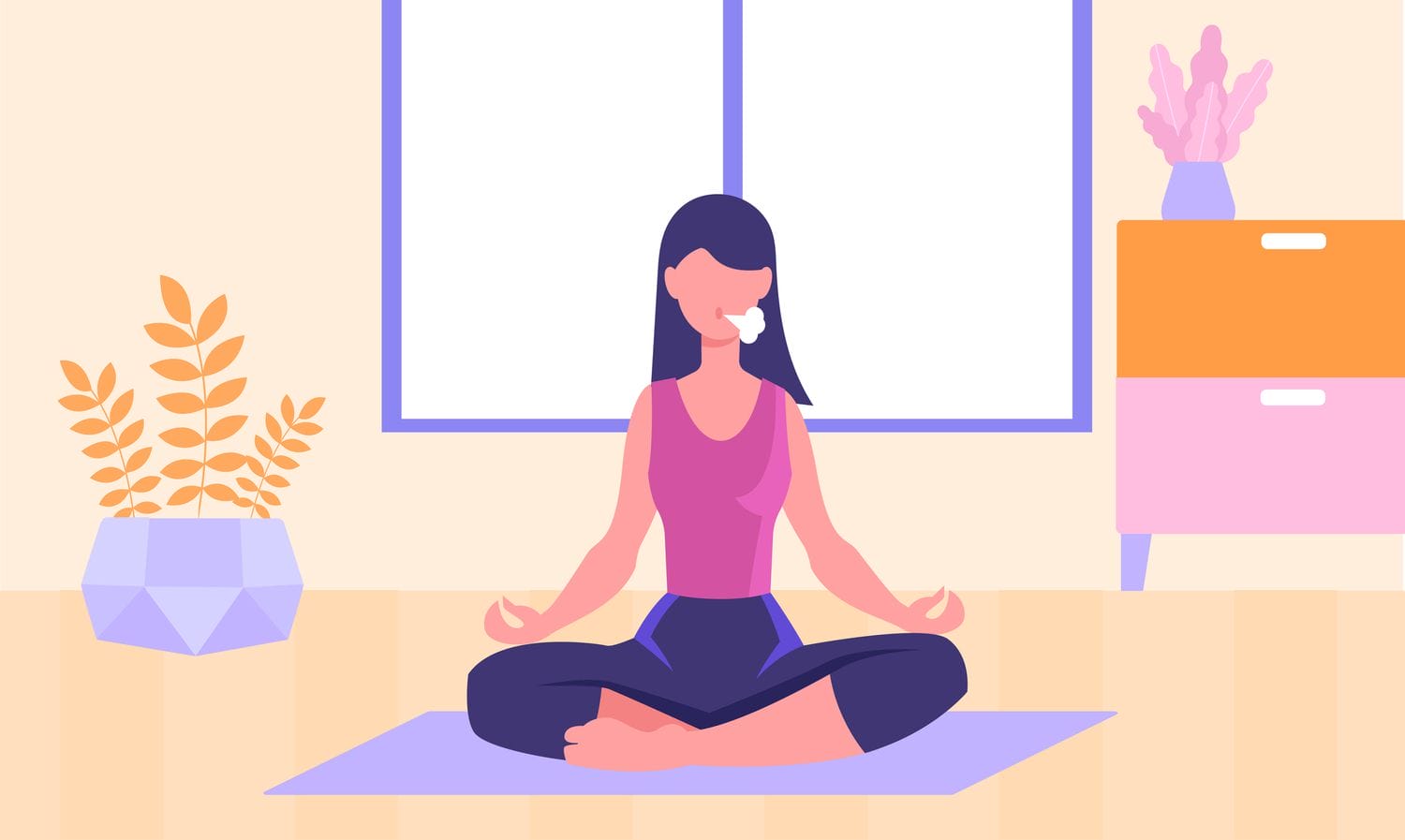
To benefit, let out a series of long, but not forceful exhales, through the nose for just three minutes, but the longer the better, and watch the shift in response. Practice breathing practices for free on Youtube.
We’re always on a journey to delve deeper into the intricate connection between mind, body, and breath. Please share your personal and professional experiences and insights below on the impact of a long exhale.
Learn more about breathing practices in The Minded Institute on-demand courses, or directly with Founder and CEO of The Minded Institute, Heather Mason, in Yoga Therapy for Anxiety.