The statistics are staggering: hospital admissions for eating disorders in the UK have more than doubled over the last decade. A recent study by NHS Digital found that more than half of teenagers and young adults have a problematic relationship with food. Over 32 million people across the globe, from all walks of life, grapple with eating disorders.
As yoga teachers and yoga therapists, it’s increasingly likely that you will encounter students with eating disorders in your classes. Some students may come to the yoga mat seeking tools for their recovery, but others may still be in the throes of their illness. That’s why it’s so important you be well-informed about the nature of the illness and how yoga can help.
Yoga and Eating Disorders: Helpful or Harmful?
The journey of eating disorder recovery is fraught with physical and emotional challenges. Unlike any other psychiatric condition, eating disorders can impact every organ system in the human body. Yoga can be a potent tool in the healing process, but even well-intentioned yoga practices can inadvertently pose risks, particularly when it comes to cardiovascular health.
Eating disorders have the highest mortality rate of any psychiatric disorder, largely due to cardiovascular complications. Studies indicate that between one-third and half of the deaths related to eating disorders stem from heart issues. Surprisingly, about 80% of individuals with eating disorders have underlying heart problems, often undetected and undiagnosed. As yoga therapists, understanding these silent, potentially fatal conditions is paramount.
Common Cardiovascular Complications in Eating Disorders
There are four major cardiovascular complications that you, as a yoga professional, should be aware of:
Cardiac Atrophy:
- Restrictive eating disorders, such as anorexia, induce a state akin to starvation, leading the body to consume its own tissues for energy. This process can severely impact the heart, leading to cardiac atrophy. Autopsy reports reveal that most individuals who succumb to eating disorders have atrophied hearts. Even in the early stages, severe calorie restriction can significantly diminish heart size and function.
Electrolyte Imbalances:
- Both anorexia and bulimia commonly result in electrolyte imbalances. Practices like restricting, purging, laxative use, and over-exercising can dehydrate the body, disrupting the balance of vital minerals. Electrolytes like sodium, calcium, and potassium are essential for maintaining regular heartbeats. Disruptions, especially when combined with vomiting, excessive exercise, or hot/vigorous yoga, can lead to sudden cardiac arrest.
Bradycardia:
- This condition, characterized by an abnormally slow heartbeat, is prevalent in individuals with anorexia and some forms of bulimia. It’s thought to be a response to reduced calorie intake – essentially the body minimizes its cardiac work to conserve energy. This can occur even in individuals at or below a healthy weight and is often misunderstood as a “healthy” low resting heart rate.
Loss of Autonomic Control:
- Anorexia can lead to a significant loss of autonomic control over the heart and blood vessels. This manifests as severe lightheadedness or fainting, especially during posture changes. It’s akin to a computer entering a low-power state; the heart slows down and reacts less promptly, causing blood pressure to drop sharply during certain movements.
How Yoga Teachers Can Help Students with Eating Disorders
As a yoga therapist, it’s vital to tailor your approach to students with eating disorders, especially given cardiovascular problems may not be evident on the surface. Vigorous or hot yoga can exacerbate these complications and should be avoided with any student who is active in eating disorder behaviours. Always encourage students to seek medical clearance from their doctor if you’re concerned. If possible, work within an integrated treatment team with other medical and health professionals. Stay informed about the latest research on yoga and eating disorders, and disseminate these findings to other health professionals. When in doubt, do not offer asana practices to students you think may be at risk.
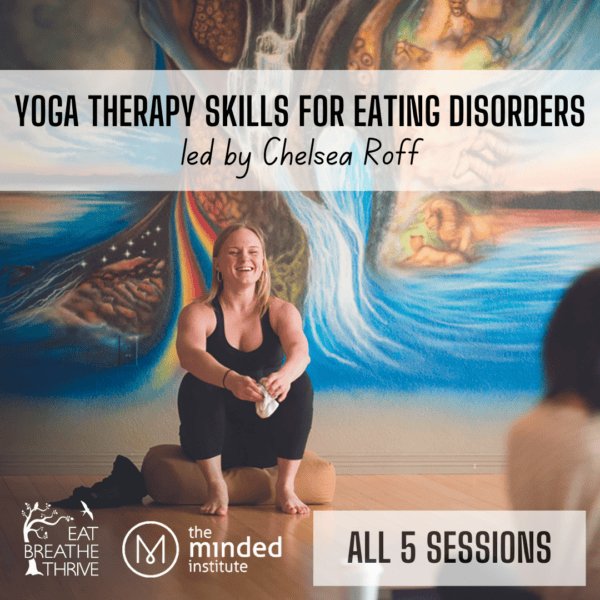
Interested in delving deeper into this subject? Join us for our upcoming course, Advanced Yoga Therapy Skills for Eating Disorders with Chelsea Roff…