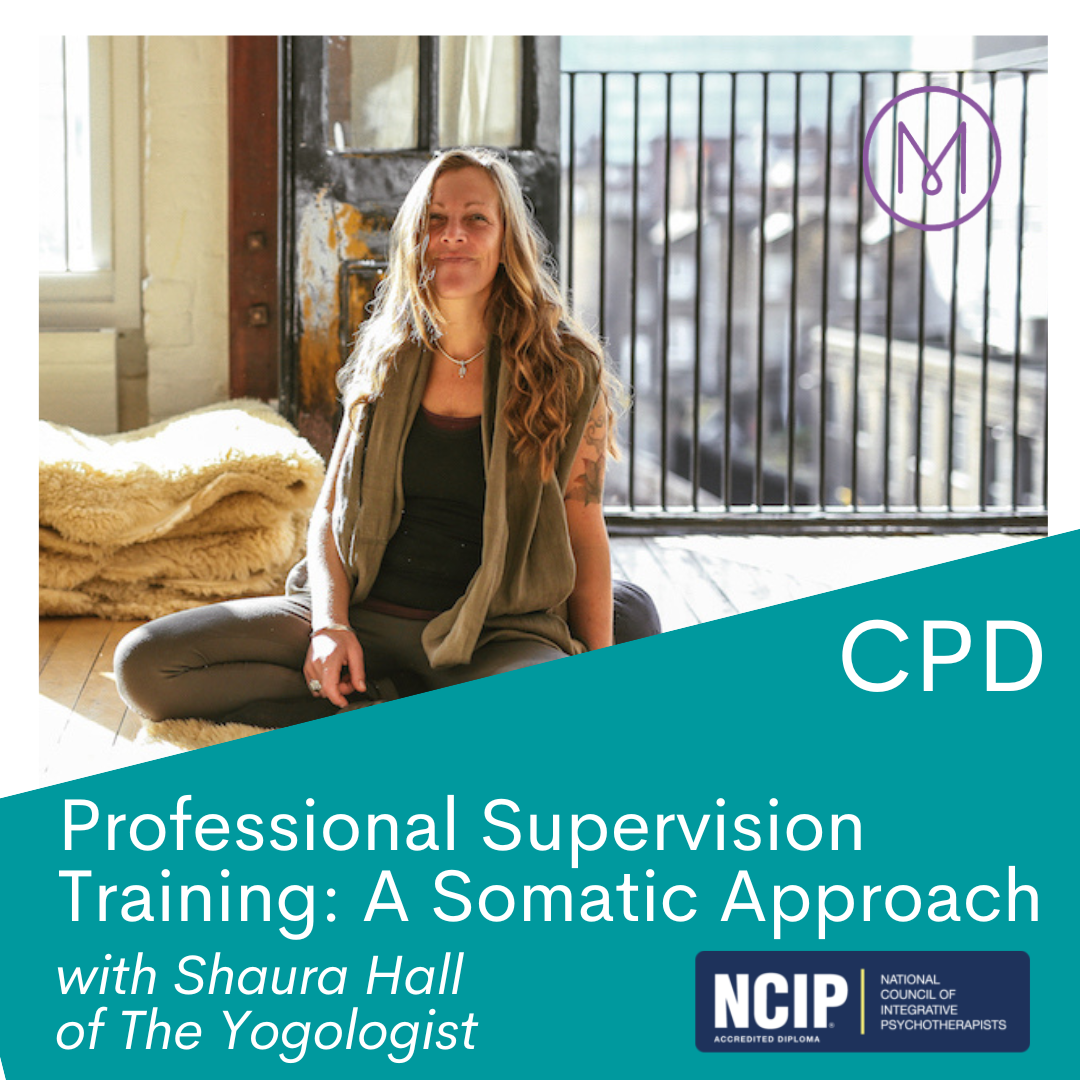
Online CPD: Professional Supervision Training – A Somatic Approach
Date:
Dates tbc – click here to join the Priority List for first access and a limited-time booking offer
Time:
10am - 6pm (each day, UK time)
In conjunction with Shaura Hall, we are pleased to announce the return of The Minded Institute’s professional training in supervision. This 50-hour online course takes place in two parts, and is open to external candidates from various healing fields including yoga therapists, coaches, mentors, ministers, and other individuals established within the helping profession.
Dates tbc – click here to join the Priority List for first access and a limited-time booking offer.
Please read through all the information on the page below before submitting your registration form.
Description
Supervision Training Online CPD: A Somatic Approach
Following the success of The Minded Institute’s somatic training in supervision, we are pleased to announce our next bi-yearly intake, beginning in May 2026.
The Minded Institute’s supervision training is unique, both for its somatic focus and because it was developed and delivered by the deeply knowledgeable and insightful Shaura Hall. The course is designed specifically for professionals working in somatic and therapeutic fields who wish to strengthen their capacity to guide others.
Shaura Hall brings extensive experience from her qualifications as a Minded Yoga Therapist, Neurosomatic Psychotherapist, and from advanced training in Process Work. She is also a Certified Supervisor, an Interfaith Minister, and has twenty years of experience with indigenous traditions. She is the Founder of The Pilamaya Centre for Integration Psychotherapy and its associated CIC company. For fourteen years, she and The Minded Institute have evolved alongside each other, contributing to the growth of integrative, body-oriented practice.
Shaura is often described as an alchemist, known for her ability to guide people through deep transformation and teach others to do the same. Her students consistently highlight the insight and confidence they gain, benefiting both their supervision practice and the clients they serve.
Who This Supervision Training Is For
This 50-hour online course takes place in two parts and is open to:
-
Minded Institute supervisors
-
Graduates of the Minded Yoga Therapy Diploma (minimum 580 contact hours)
-
External candidates, including yoga therapists, psychotherapists, coaches, mentors, ministers, and other professionals working within therapeutic or spiritual care fields
Somatic Training Background
Throughout her career as a supervisor, Shaura has supported mental health professionals, yoga therapy trainees, and yoga therapists. She has led The Minded Institute’s supervision team for seven years. To our knowledge, this is the first formal supervision training for yoga therapists that is also relevant for integrative psychotherapists, mental health professionals, and interfaith leaders.
As pioneers in yoga therapy, we are delighted to offer this somatic supervision training, recognising that our approach offers value far beyond the field of yoga therapy. It builds on years of research and clinical experience in yoga therapy, somatic therapy, and other body-based modalities.
The course integrates this knowledge with a spiritual, psychological, and developmental model informed by the chakras and the energies they represent. This distinctive combination helps trainees move through their own stages of personal development while learning to support supervisees with sensitivity, insight, and depth.
Given the breadth of this model and the skills taught by Shaura, graduates are equipped to supervise professionals from many different disciplines. The training is accredited by the National Council of Integrative Psychotherapists (NCIP).
Ideology
Supervision is a relationship of support and discovery. The supervisor helps others explore the visible and invisible dynamics within individuals, groups, organisations, and the wider field of consciousness. This process offers a vital framework for professionals, encouraging self-reflection and leading to embodied, ethical practice.
Within supervision, practitioners are guided by another’s perspective, invited to explore new ways of understanding their work, and supported in recognising their own limitations and blind spots. This self-enquiry allows them to offer more grounded, compassionate care to others.
Rooted in the Minded Yoga Therapy Course, our supervision training draws on a developmental model based on the chakras and the stages that describe the journey from apprentice to master.
The approach is informed by the Seven-Eyed Model of Supervision (Hawkins & Shohet) and Process Work (Mindell), and is enriched by Shaura’s twelve years of experience supervising yoga therapists and other practitioners.
Those familiar with yoga and psychology will know that Jung influenced modern interpretations of the chakra model. His work has shaped transpersonal psychotherapy and the wider psychological understanding of human development. In this training, we apply his insights alongside developmental theory, offering a clear framework for moving from novice to master. A similar neuropsychology-informed model is also taught on Minded’s Integrative Yoga Psychotherapy Training.
About Shaura Hall
Shaura Hall is the Founder of the Pilamaya Centre for Integration Psychotherapy and Director of Integration Psychotherapy®. She is a Yoga Therapist (C-IYAT), holds a diploma in Neurosomatic Psychotherapy (NCIP), a Certificate in Supervision (CTSD) and is an Interfaith Minister (ROSIM). Her training includes over 1000 hours of Yoga Therapy, Yoga Teacher Training and further training in the Health Sciences (CertHE). She is a Yoga Therapy for Addictions Specialist and has supervised Minded supervisors for over 5 years in her role as Lead Supervisor for the Minded Institute.


Delivery
The entire course is live online via Zoom and delivered through a combination of theory and practicum that follows the developmental pathway expressed through the chakra model.
Students participate in lectures, dyads, triads, group discussions, processes, and live supervision.
This methodology teaches through embodiment, cultivating the skills required to work with new and experienced supervisors across traditions.
100% attendance is required to graduate.
Course Contents
Day One: What is Supervision – Context and History
This day begins by reviewing the rationale for supervision’s emergence within psychological models over the last 120 years. In discussing this history, we explore an array of models that have informed supervision through time and how this specifically supports the unique ideological framework of The Minded model. The day also begins with hands-on practice, providing insight into foundational logistics, how to support new supervisees, and the pivotal role the body plays in supervision.
Day Two: The Supervisor as a Vehicle of Therapeutic Transformation
As with most psychological therapies, the therapeutic dynamic provides the foreground for new perspectives and insight; supervision is no different. On this second day, we explore the supervisor’s intentional use of self to support the supervisee and cultivate a meaningful, supportive relationship.
Within this framework, we investigate power dynamics, self-awareness, and essential considerations in mentoring supervisees as they move toward competence in their field.
Day Three: Transference and Diversity
Client transference is a core aspect of any type of therapeutic work. This day focuses on supporting supervisors to recognise and work with transference as a mode of transformation for their clients.
We look at common behavioural patterns, the influence of cultural dynamics and family on presentation, and how transference perceptions manifest in therapeutic professionals. We also examine diversity — how individuals and groups contextualise the self in different ways, how this shapes relationships, and how transcultural and transgenerational trauma can be acknowledged and worked with.
Day Four: Common Themes and Barriers in Therapeutic Work
The history of psychological therapies and supervision highlights recurring developmental patterns in human growth. This day examines how these patterns reveal growth, avoidance, and stagnation — and how awareness of these themes can support supervisees in adjusting their approach with clients.
Day Five: Using Intuition and Seeing Beneath the Surface
Skills and techniques within psychological processes are vital, as is the ability to sense into intuition. This day cultivates intuitive and somatic awareness to help supervisees look beyond what is spoken and feel into what might lie beneath a client’s words, behaviours, and body posture.
To hone this skill, we explore the role of imagination and creative enquiry. Small supervision groups will also practise live supervision together.
Day Six: Dream-Body and Liminal Spaces
Drawing on the work of Arnold Mindell, we explore how dreams and liminal spaces promote insight and intuition between supervisor and supervisee, and between therapeutic professionals and their clients. This day includes a deeper exploration of how to adapt and refine the supervision approach to best serve the supervisee’s evolving needs.
Day Seven: Additional Tools and Resources for Supervisors
Sometimes, analytical thinking alone can limit intuitive insight. As a training rooted in yoga, this final day explores other forms of wisdom development — including prayer, philosophy, poetry, and other spiritual or expressive mediums — to help supervisees perceive differently and cultivate wisdom.
We also widen our lens to observe large constellations, such as organisational and collective dynamics, and review the additional requirements for accreditation.
Eligibility
For Minded faculty please contact us directly.
The course is also open to external candidates from various healing fields including other areas of:
- Yoga therapy
- Integrative psychotherapy
- Coaching
- Mentorship
- Ministers and other interfaith leadership
- Body-based therapy
- Other individuals established within the helping profession that manage teams or groups.
Minimum Requirements:
- Have achieved a recognised qualification in their field equivalent to a higher education (England and Wales) level 4 course.
- All attendees from outside the Minded Institute faculty must be able to evidence at least 2 years of experience within their profession.
The number of places is limited to 20.
Course Fees & Requirements
For applicants outside of the Minded faculty, the course fee is £1200. A £400 non-refundable deposit is required to secure your space.
Are you a Minded Supervisor?
If you are a Minded Supervisor or Yoga Therapy Graduate, please contact us at admin@themindedinstitute.com for more information on fees as reduced rates may be available.
Additional Supervision Requirements
In addition to the live teaching, all attendees must offer 50 supervision sessions within the area that they supervise in and undertake 10 paid-for supervision sessions that reflect on these 50 sessions. These ten supervision sessions must be undertaken in tandem with the 50 supervisor hours at a ratio of 5:1 (i.e. for every 5 hours of supervision you provide, you must receive 1 hour of supervision yourself). Participants are given one year to complete this requirement.
You can pay securely at checkout using a credit or debit card or PayPal.
If you experience any issues during purchase, please contact accounts@themindedinstitute.com and our team will be happy to assist.
Pay in Instalments
To make our courses as accessible as possible, bespoke payment plans may be available on a case-by-case basis.
If you would like to request a payment plan, please email accounts@themindedinstitute.com.
Please note:
-
The full course fee must be paid no later than seven days before the course start date
-
Once a payment plan has commenced, refunds follow our standard refund policy as outlined in the Terms and Conditions
Training Terms and Conditions
You can review the Professional Training Terms and Conditions for courses with The Minded Institute here.
How Do I Apply?
If you believe you are eligible for this programme, please click here to register. This will bring up a registration form. If you fulfil the criteria outlined on the form, once you submit it a payment link will be sent to you, where you can opt to pay in full or instalments.
If you feel that this training is right for you, but you do not meet the eligibility criteria, once you fill out the form you will be given an option to arrange a conversation with Shaura Hall.
Who is this training for and eligibility?
Yoga Therapists.
Integrative Psychotherapists
Body-Based Therapists
Mental Health Professionals
Coaches
Mentors
Ministers
Interfaith Leaders
and other individuals established in the healing profession.
If you believe you are eligible for this programme, please do register. If you feel that this training is right for you, but you do not meet the eligibility criteria, once you fill out the form you will be given an option to arrange a conversation with Shaura Hall.
Accreditation and Certification

The course is accredited by the NCIP (National Council for Integrative Psychotherapists) and provides transferable skills and certification in supervision.
This course awards 50 CPD hours.
Please note that attendance at the course does not guarantee certification, but only CPD hours. Certification is at the discretion of the Course Director and requires that attendees demonstrate all the necessary competencies outlined in our learning objectives.
Certification Process
In addition to the live teaching, all attendees must meet the following requirements in order to apply for the certificate.
Step one:
- Complete self assessment form and arrange to have one out of two tutorials at an additional cost of £70 per 60-minute session with Shaura to reflect on personal process.
Step two:
- Give and record 50 hours of supervision given within the client area they supervise.
- Undertake 10 hours of supervision to reflect on the 50 sessions (5:1 ratio)
Step three
- Complete two enquiry forms – one with a client and the other with your supervisor to reflect upon the supervisory relationship. The forms should be explored in supervision sessions once the participant has completed all of the required hours.
Participants have one year from the last day of the training to complete the requirements.
Student Reflections
Participants consistently describe this course as experiential, embodied, and transformative. Many highlight how the structure invites both personal reflection and professional growth, creating a safe space for self-enquiry and development.
Yasmin shared that the course offered “versatile interventions that can be used in both supervision and client work” and described it as “a safe space where all enquiries were welcomed.”
Lisa noted that the training “brought a whole new level of awareness” to the role of supervision and praised the emphasis on practising skills through live, embodied experience.
Kelly reflected that her biggest takeaway was “the validity and importance of somatic resonance as a potential source of information.”
Brigid appreciated “working from multiple perspectives and seeing what’s in the field through the Seven-Eyed Model,” valuing the balance between structure and unfolding process.
Josie described the course as “experiential, embodied, and creative,” noting that it was “fun, enjoyable, and highly recommended.”
A Living Approach to Supervision
The supervision approach presented here reflects an evolving field of practice, one that honours the many streams contributing to integrative and embodied psychotherapy. It arises from Shaura Hall’s long-standing work in Spiritual Traditions, Yoga Therapy, Psychotherapy, Somatic Integration, Yoga Psychology, and Field-Based Awareness, and from her role as the creator of Integration Psychotherapy, which naturally intersects with and complements the wider professional landscape.
Rather than separating traditions, this approach seeks to weave them together, recognising that the evolution of supervision mirrors the evolution of consciousness itself. In this light, the work of The Minded Institute, Shaura’s Pilamaya Centre, and other pioneering bodies all contribute to the same collective unfolding.
This training situates the body, energy, and relational field at the heart of supervision, offering a grounded, compassionate, and evolutionary practice that honours both the individual journey and the wider movement toward embodied awareness in the helping professions.
Related products
-

On Demand Seminar: Living in Integrity as Healing Professionals – A Two-Part Series with Michael Lee
£35.00 Purchase Seminar -

On Demand Workshop: Yoga Therapy for Anxiety – 4 Weeks of Practice with Heather Mason
£40.00 Purchase Workshop -

Online CPD: Lakshmi Voelker Further Chair Yoga Skills – Part 2
£395.00 Book this TrainingDate: Friday, 11th - Sunday, 13th June 2027
Time: 10am - 5pm (each day, UK time)
-
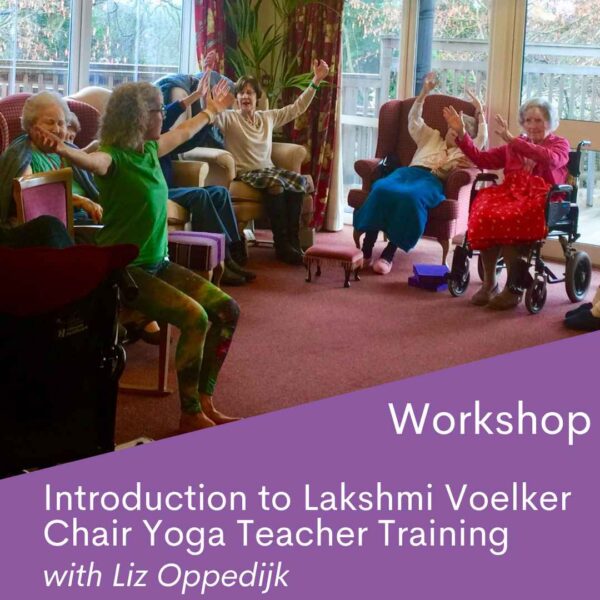
On Demand Workshop: Introduction to Chair Yoga Teacher Training
£10.00 Purchase Workshop