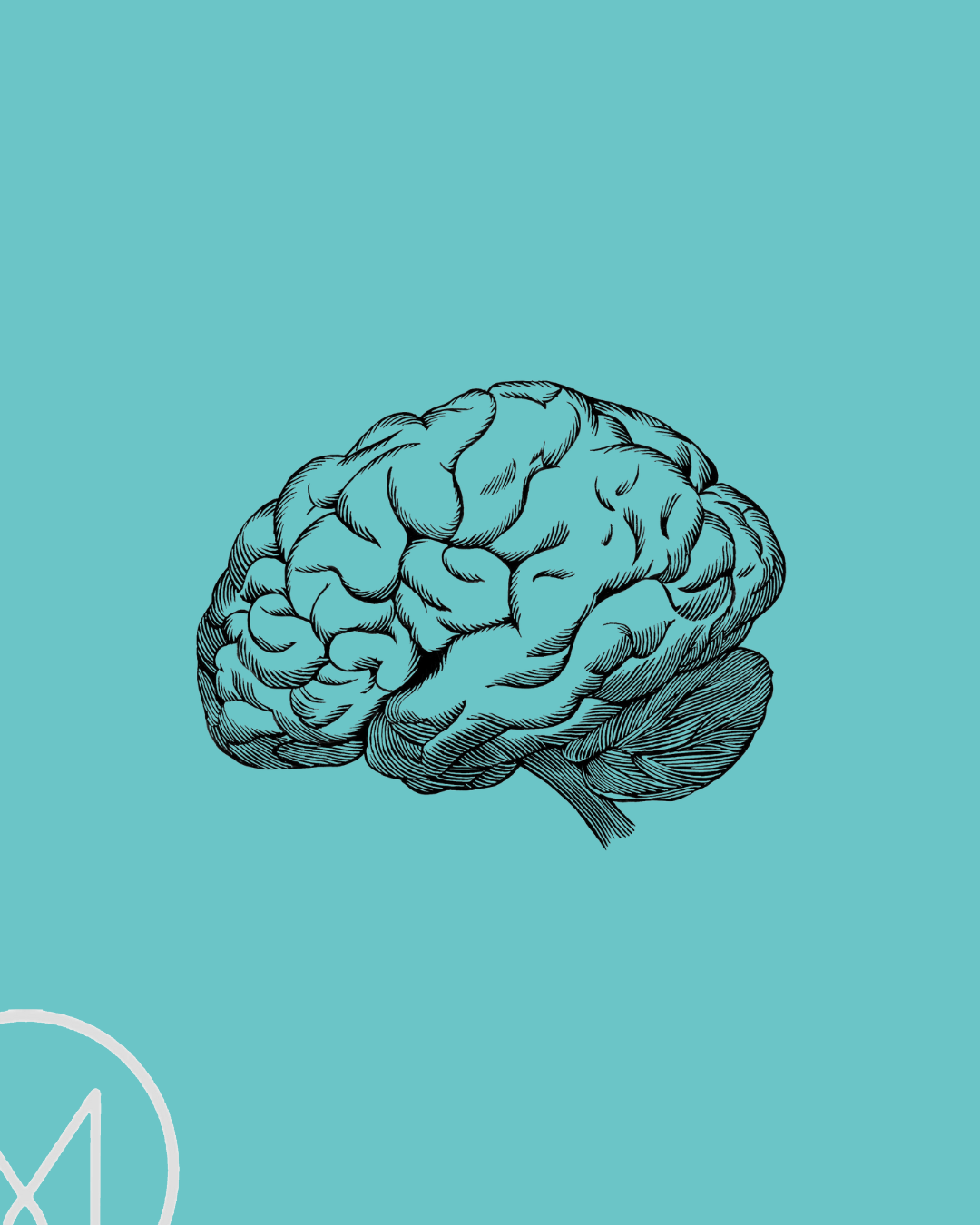

It’s Brain Awareness Week, and at The Minded Institute, we have always been dedicated to exploring how yoga transforms the brain and promotes neuroplasticity. Yoga is not just movement or relaxation—it is a comprehensive system for reshaping the mind and body, influencing brain function at every level.
This week, we’re taking a fresh approach—exploring how each of the eight limbs of yoga actively drives neuroplasticity. Yoga has always been a path to transformation, but what if we look at it through the lens of brain change? Mental and emotional growth aren’t just possible; they’re woven into the very fabric of practice.
The Eight Limbs of Yoga & Neuro-plasticity
Yamas & Niyamas: Rewiring Thought & Behaviour
The ethical and personal observances of yoga cultivate cognitive reappraisal—the ability to shift perspectives and regulate emotions. Engaging in self-reflection and ethical action strengthens the prefrontal cortex (PFC), the brain’s executive control centre responsible for reasoning, decision-making, and impulse regulation. As these circuits strengthen, we gain greater agency over our reactions, breaking free from automatic patterns and forming new, intentional ways of responding.
Asana: Movement as a Catalyst for Brain Change
Physical movement is a powerful driver of neuroplasticity, especially when learning new postures, motor sequences, and coordination patterns. Practising complex movements strengthens motor circuits, which are deeply interconnected with cognitive networks. Movement requiring awareness, balance, and adaptation further enhances proprioception (the brain’s sense of body position) and interoception (awareness of internal bodily states).
These body-awareness networks are closely linked to brain regions involved in self-awareness, emotion regulation, and cognitive flexibility, such as the insula and anterior cingulate cortex. Additionally, studies show that learning new motor skills strengthens cognitive circuits, improving focus, memory, and problem-solving.
Pranayama: Breath & the Nervous System
Breathwork directly influences autonomic nervous system regulation and vagal tone, shifting the brain toward states of relaxation, resilience, and emotional balance. Conscious breath control impacts brainwave activity, supporting states of calm and cognitive clarity.
Pratyahara: Sensory Regulation & Neural Refinement
Turning inward allows for greater self-awareness and control over attention, strengthening neural pathways involved in emotional regulation and focus. By withdrawing from external distractions, the brain builds resilience against habitual reactivity.
Dharana: Strengthening Focus & Cognitive Control
Single-pointed concentration enhances prefrontal cortex activity, attentional control, and working memory. This limb rewires the brain for sustained attention, reducing mind-wandering and improving cognitive efficiency.
 Dhyana: Meditation & Structural Brain Change
Sustained meditation leads to lasting neuroplastic changes, increasing grey matter density in areas linked to self-regulation, awareness, and adaptability. These changes support stress reduction and long-term mental clarity.
Samadhi: The Brain in a State of Connection
The experience of deep absorption and connection—whether to self, others, or something greater—has profound neurological effects. States of deep presence and unity enhance default mode network connectivity, reinforcing a sense of well-being, purpose, and inner peace.
Beyond Awareness: Practising Brain Change
Understanding the brain is one thing; actively reshaping it is another. Yoga offers a multidimensional path to neuroplasticity, allowing us to work with our breath, movement, attention, and awareness to create meaningful transformation.
The brain is constantly adapting. How we engage with it—through thought, action, breath, and presence—determines the shape it takes.
If you’d like to go further and learn how to use yoga therapeutically with others, our Yoga Therapy Training Professional Diploma is where to start.