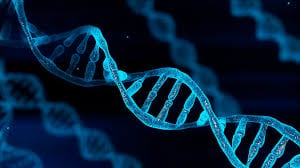

In the mid-20th century, the discovery of the structure of DNA by James Watson and Francis Crick revolutionized biology.
This double helix molecule was found to contain the genetic instructions necessary for the development, functioning, growth, and reproduction of all known organisms.
Initially, genes were seen as static entities, determining traits and predispositions that were largely immutable. The focus was on understanding the genetic code and how it led to the expression of specific physical characteristics.
Fast forward to the late 20th century and early 21st century, the field of epigenetics emerged. Epigenetics recognises that gene expression, for certain genes, is subject to change. Epigenetics explores how external factors such as environment, lifestyle, and behaviour can influence gene expression without altering the underlying DNA sequence.
Dr. Herbert Benson (often considered the founder of mind-body medicine) was particularly interested in the link between mind-body practices and gene expression. Research from him and his team at Harvard demonstrated that a host of mind-body practices could bring people to an altered state physiological called the “relaxation response”. This is a state where there is a marked reduction in oxygen consumption, because the body is in a state of deep rest and needs less energy.
Benson et al found that over a period of about 8-weeks where someone was regularly entering this state, expression of genes involved in inflammation reduced, while those that enhanced energy production were upregulated. Various practices of yoga are believed to support one’s transition into the physiological state of the relaxation response.
Visit The Minded Institute on Youtube to hear Heather explain the full science behind yoga’s link to epigenetics.
Learn with Heather Mason this coming July 2024 in Therapeutic Yoga Skills for Depression and Anxiety.